There is a stretch of seventeenth century garden wall left to show where the house once stood. One of many hospital carparks takes up the space that was once an ornamental lake, filled in after a nurse drowned. The Samuel Boyce Lodge, described as a “psychiatry elderly unit”, stands on what were once the gardens. The house stood for nearly four centuries before it was demolished and sold to the North East London Metropolitan Hospital Board. Planning regulations were less strict in 1964. Now obliterated by Whipps Cross Hospital, these were once the outskirts of the village of Leyton, between the Phillebrook and James Lane.
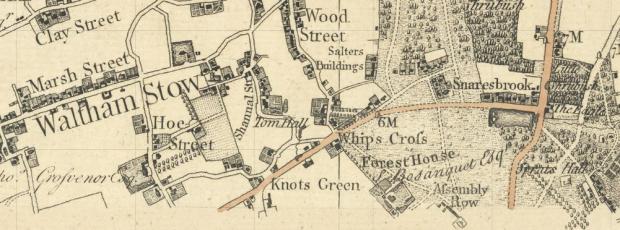
The area is busy with hospital traffic today. In 1492 John More, stockfishmonger, rented twenty acres of land there from the Abbot of Stratford. Over the next century this smallholding grew to an estate of 139 acres, and More’s descendants were among the major landholders in the area. There was a substantial farmhouse by the 1560s, owned in the 1650s by the Royalist Gorings. By this time it contained 23 hearths, and was the largest house in the parish. A Huguenot family originally from Lille whose members had made a fortune in the City, the Houblons, built a new Baroque style house in 1683. John Houblon was to become one of the founders of the new Bank of England; he had made a fortune in the City. He and his brother James were in turn Lord Mayors of London – their grand house in Threadneedle Street was to become the headquarters of the Bank of England, and in later centuries the image of James was to appear on the £50 note. Forest House was at a convenient distance from central London – close enough to be an escape, far enough for peace and fresh air.
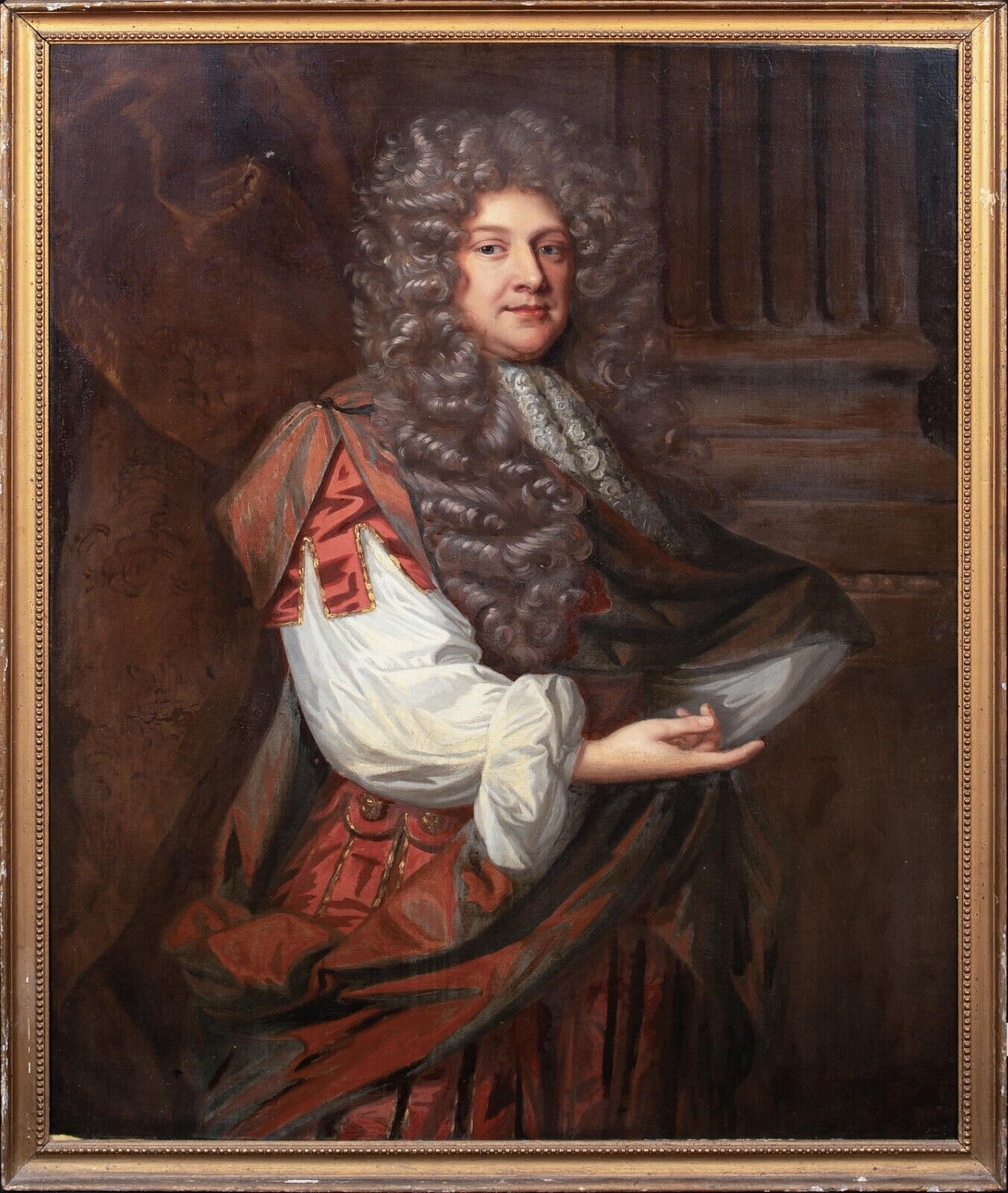
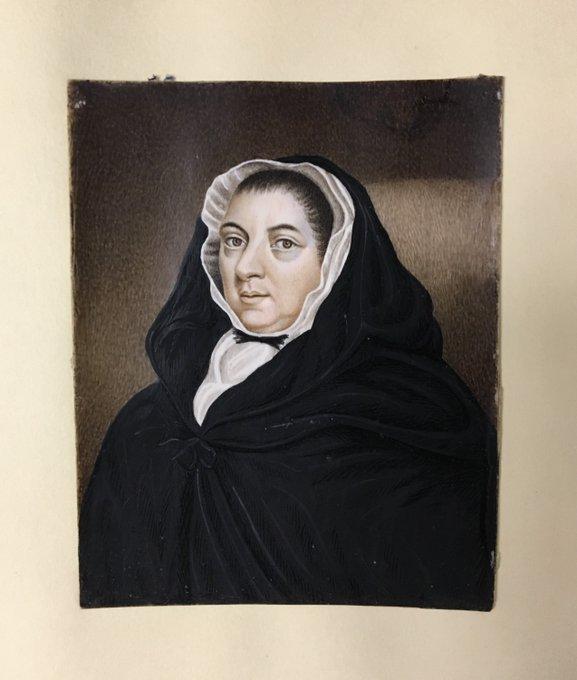
The Huguenot, and also the banking connections were maintained when Forest House passed into the ownership of Samuel Bosanquet, another City grandee. The new owner commissioned updates by Sir John Soane, and settled, with his wife Mary, to bring up their children in their elegantly renovated home, which featured no fewer than 80 windows, with Bosanquet’s initials carved into several room schemes. It was evidently a shock when their daughter Mary became a Methodist – their parents banned her from the house as they did not want her to convert her brothers to her faith. But Mary Bosanquet was not to be deterred. She became well respected in Methodist circles, correspondent with John Wesley and at length secured a preaching licence – a great accolade for a woman. In later years Mary and her parents were reconciled, and she lived, and opened a children’s home, at one of the family properties in Leyton. It was not until 1831 that the Bosanquet family began to rent out Forest House, and for the next fifty years it was home to a series of merchant families, including William and Rachel Fowler and their eight children.
But by the last years of the nineteenth century the railways had arrived, London was growing and Leytonstone and its neighbours were becoming less fashionable. And Forest House, like many other once-elegant homes, went up for sale, and in 1889 Samuel Courthope Bosanquet found a buyer for the house and most of the estate – the West Ham Union. By this date, two generations on from the days of Oliver Twist, the duties of the guardians of the union workhouses had become far more exacting than those of their predecessors. It was no longer acceptable to provide the needy only with the most basic levels of food and shelter. By now there was at least some humanity in the assistance provided; the oldest, the youngest and the infirm, at least, were no longer blamed for being in need. Schools were provided, as were hospitals, with the beginnings of humane treatment for people who were still termed “lunatics”. The West Ham Guardians were planning for several new facilities: the existing workhouse at Leyton was overcrowded, and among the plans they made was to turn Forest House into an annexe.
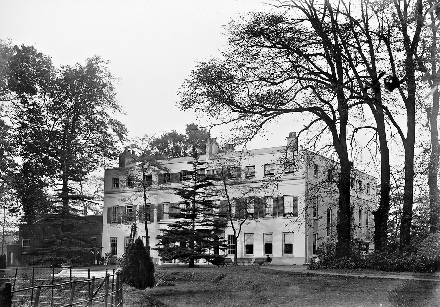
So it was that in 1894, after some renovation work, the first 128 of the new residents of Forest House arrived in brakes. They were all over 70, had been hand-picked as being among the “best conducted” inmates, and included 89 year-old James Hennessy, who had taken part in the Charge of the Light Brigade nearly half a century before. Newly built hospital facilities followed – these were completed in 1903, only to become a military hospital for much of the First World War. Forest House continued to be used as an old people’s home, with, as time went on, additional provision for those in need of psychiatric care. Nearby, Whipps Cross Hospital has grown apace.
No one seems to have recorded how it came about that in 1964 Forest House was demolished, and the site sold to the North East London Metropolitan Hospital Board. By that time the National Health Service had been in existence nearly twenty years, but still, in the 1960s, not only hospital trusts but local authorities and other entities were still getting away with what would now be regarded as an outrageous lack of responsibility around the buildings in their care. It is now far too late to save, or even to record much about what should have been cherished as a unique part of the history of its area. But hospitals are notoriously haunted places, and it is tempting to wonder about some of the shadows around what is now the Samuel Boyce Lodge.